Choose your next landscape
Before choosing a cabin, decide what you want beyond the window. Lofoten’s open sea makes for a different trip from Saimaa’s sheltered lake shores. A week among Patagonian forests has little in common with returning from the slopes to a chalet in Hakuba.
These ten destinations bring together very different ways of staying in timber: former fishing cabins, holiday-park huts, houses for a group and lakeside cottages. Our selection for 2026 considers the character of the landscape alongside something more useful than a beautiful photograph: how each place fits your days away.
The numbers organise the selection rather than represent guest-review scores. Each destination links to our seven-stay guide, taking you from a landscape you like to an actual place to book.
01Lofoten, Norway: fishing cabins between mountains and sea
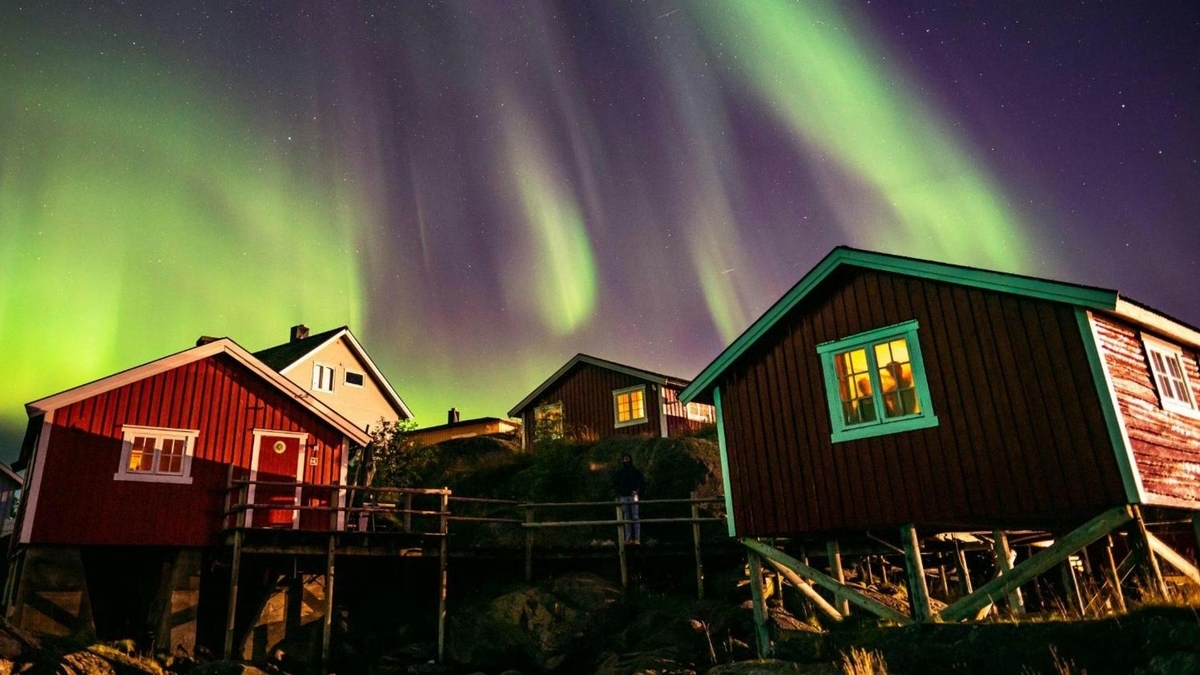
In Lofoten, the mountains seem to begin where the jetty ends. Fishing villages and timber buildings beside the water make the accommodation part of the landscape rather than simply somewhere to finish the day.
One local word is worth learning: rorbu, a traditional fisherman’s cabin; rorbuer is the plural. Many have been adapted for visitors, although they are not all detached buildings. Some share a historic structure or the setting of a small harbour.
Your base shapes the trip. Svolvær combines a cabin stay with town services; Reine and the village of Å place you elsewhere along the islands. Those addresses are not interchangeable when planning each day’s journey.
When to go. Summer for long daylight and exploring the islands; winter for Arctic light and the possibility of northern lights, never a guarantee. Leave room for weather and transport changes.
Our guide to seven of the best cabins in Lofoten compares bases from Svolvær to the village of Å and explains the type of accommodation behind each name.
02Lake Saimaa, Finland: sauna, woodland and time by the water
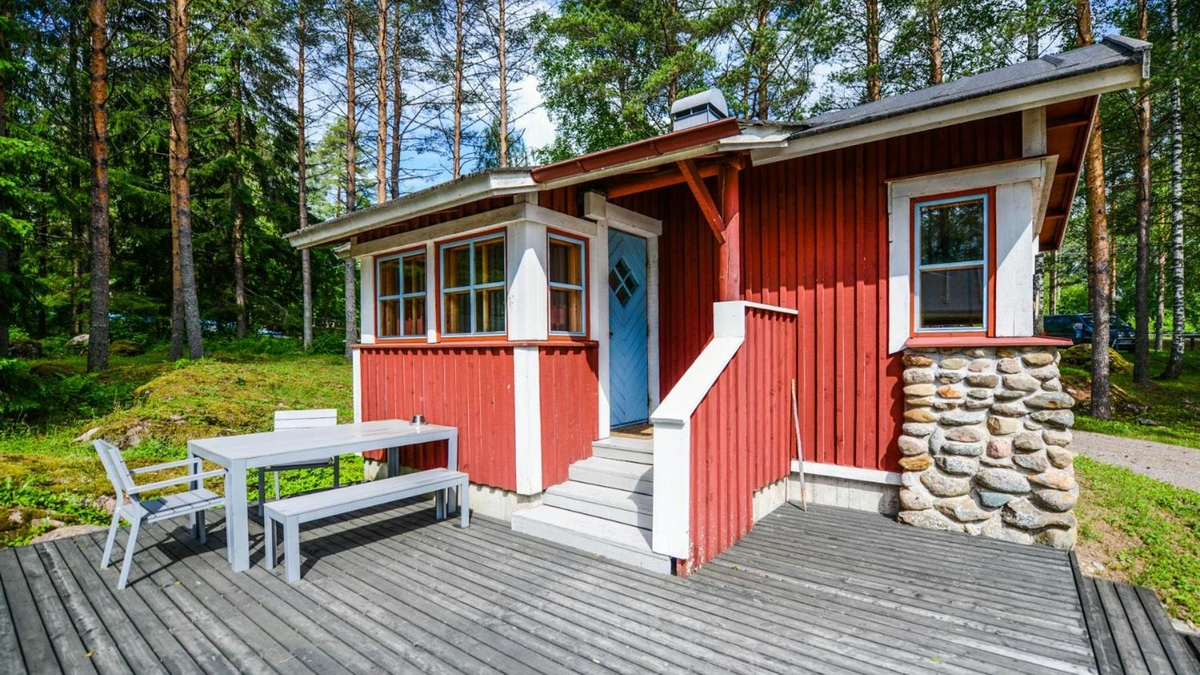
Saimaa suits a trip that does not need a different excursion every day. A shoreline, a terrace and the possibility of alternating sauna and lake can give a stay its purpose without a long sightseeing list.
Finland’s cottage culture makes particular sense here: cook, head out on the water and return to a house among the trees. It is a landscape that rewards staying put, where the cabin’s layout matters as much as its distance from an attraction.
Compare actual access to the shore and how the sauna works. A private sauna, a shared one and a separately reserved session produce different routines. Seasonal cottages are not automatically suitable for a winter stay either.
When to go. Summer for the lake and long days; autumn for the woodland. In winter, choose accommodation specifically equipped and open for the season.
To distinguish the options, see our selection of seven cabins around Lake Saimaa, covering locations, saunas and the practical conditions of each stay.
03Bariloche and Villa La Angostura, Argentina: a timber home in lake-country Patagonia
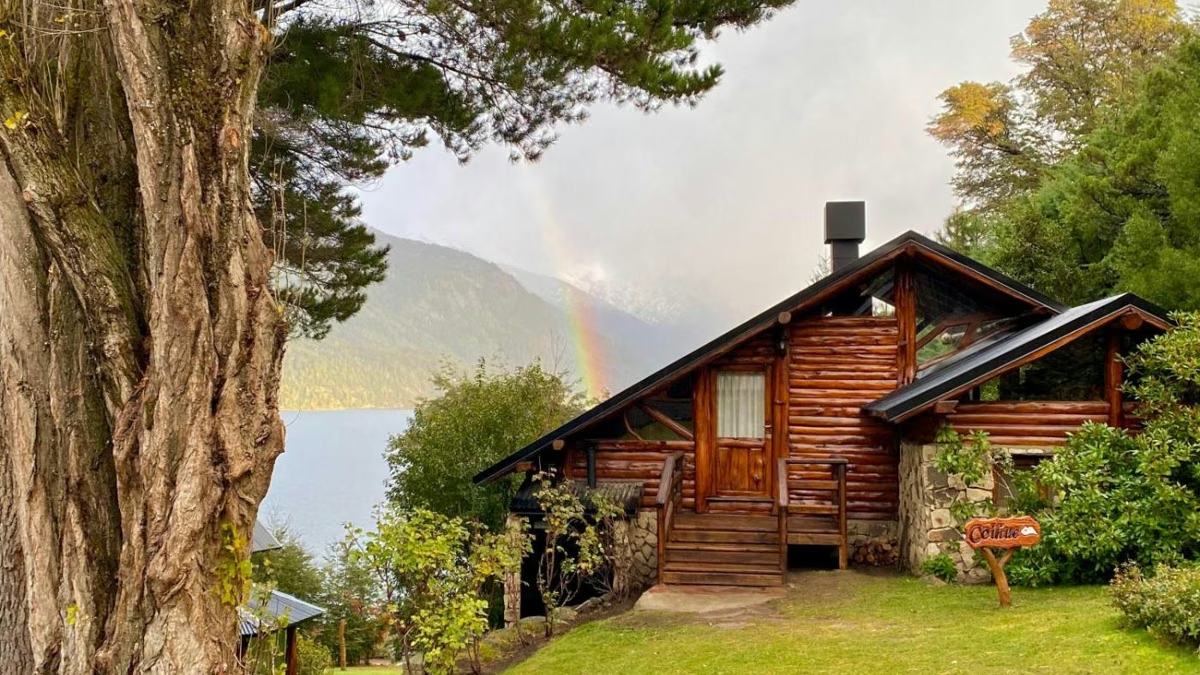
A cabin makes sense here as a base for several days among lakes, forests and mountains. Around Nahuel Huapi and Bariloche’s western lake corridor, there is more to a trip than ticking off viewpoints: choose a stretch of shore and give it time.
Bariloche and Villa La Angostura support different trips within the same region. A house along Bustillo, one beside Lake Moreno and an address in Villa La Angostura do not necessarily suit the same daily drives.
Your own kitchen makes it easy to alternate days out with dinner at home. Before choosing a lake view, consider the sleeping layout, heating and final approach; in snow, those details stop being secondary.
When to go. Southern summer for lakes and walking; winter for a trip built around snow and mountains. Choose your activities before choosing the area where you will sleep.
The guide to seven cabins in Bariloche and Villa La Angostura identifies the actual locality of each stay, without presenting a regional selection as a single town.
04Ucluelet and Tofino, Canada: rainforest and the Pacific Ocean
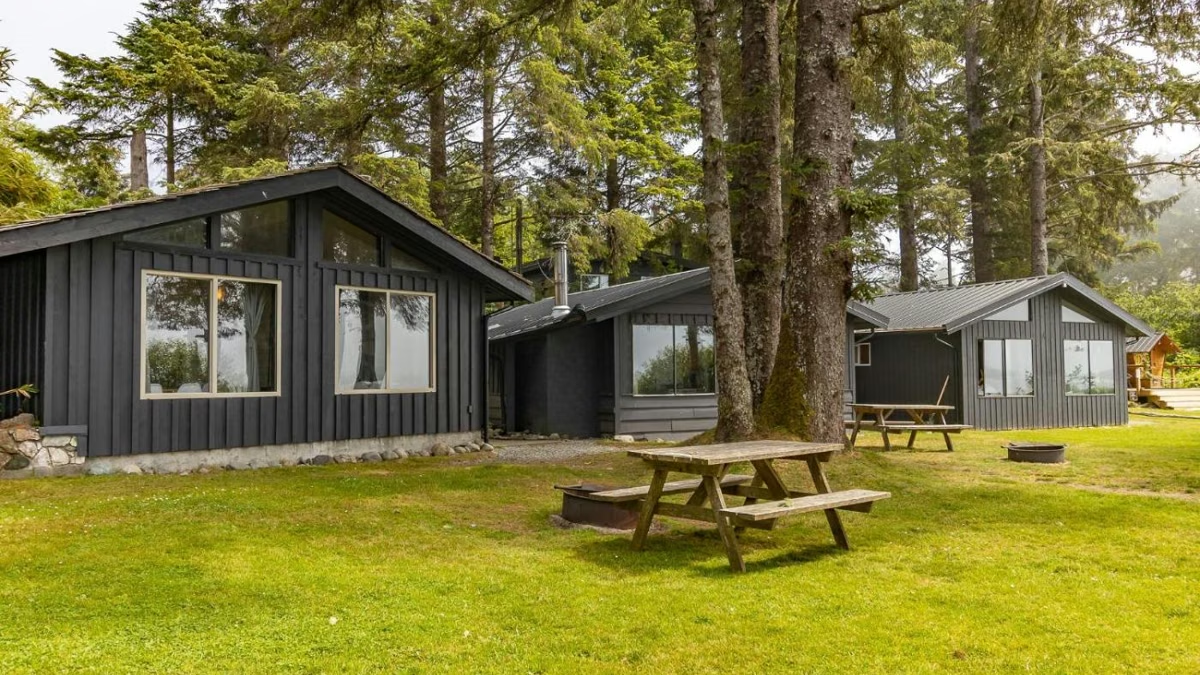
On Vancouver Island’s west coast, the sea is more than a backdrop. Beaches, forest and changing weather shape the day, whether that means heading out with a surfboard or watching the swell from a safe position.
This coast is especially appealing if you enjoy a landscape in the rain as well as sunshine. A cabin lets you alternate walks and time indoors without treating a grey afternoon as a cancelled holiday.
Tofino and Ucluelet are different bases, and room categories within a resort can vary just as much. A cottage with a kitchen, a lodge suite and a coastal unit reached by a flight of stairs are not equivalent stays.
When to go. Summer for long beach days and outdoor activities; autumn and winter for storm-season atmosphere, following local advice and respecting tides and surf conditions.
Our guide to seven cabins in Ucluelet and Tofino separates cabin categories from rooms and explains differences in cooking facilities, access and shared amenities.
05Pucón and its surroundings, Chile: lake, forest and volcanic scenery
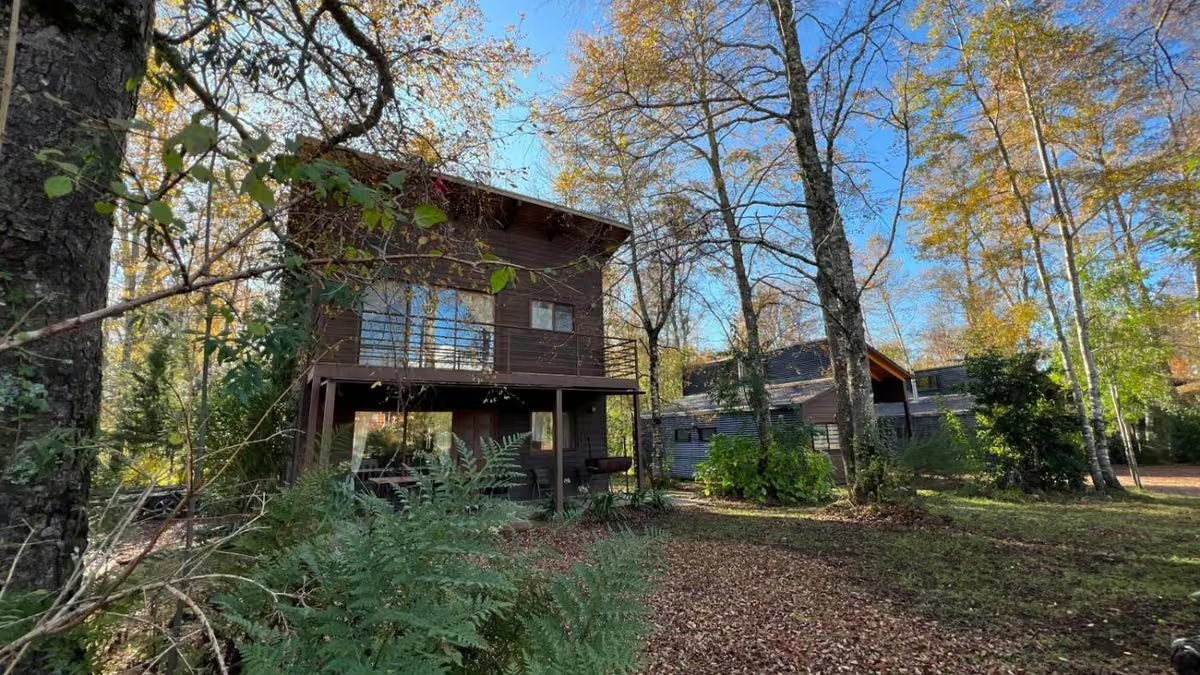
Pucón brings together several reasons to visit southern Chile without changing accommodation every night: Lake Villarrica, woodland, the volcano’s landscape and the opportunity to combine outdoor days with the region’s thermal baths.
A cabin works for a couple’s escape as well as a shared holiday. First decide what you want nearby: restaurants in town, or more space and greenery along one of the surrounding roads.
An address in Caburgua, Metreñehue or the Loncotraro area is not central Pucón. The approach road and distance to your plans matter more than a vague promise of being close to everything.
When to go. Southern summer for the lake and outdoor activities; colder months for woodland stays and thermal baths. Volcano access and excursions depend on current conditions and permissions.
The guide to seven of the best cabins in and around Pucón helps distinguish town stays from the surrounding areas, with specific access and seasonal-facility caveats.
06Bohinj, Slovenia: an Alpine lake with villages worth staying in
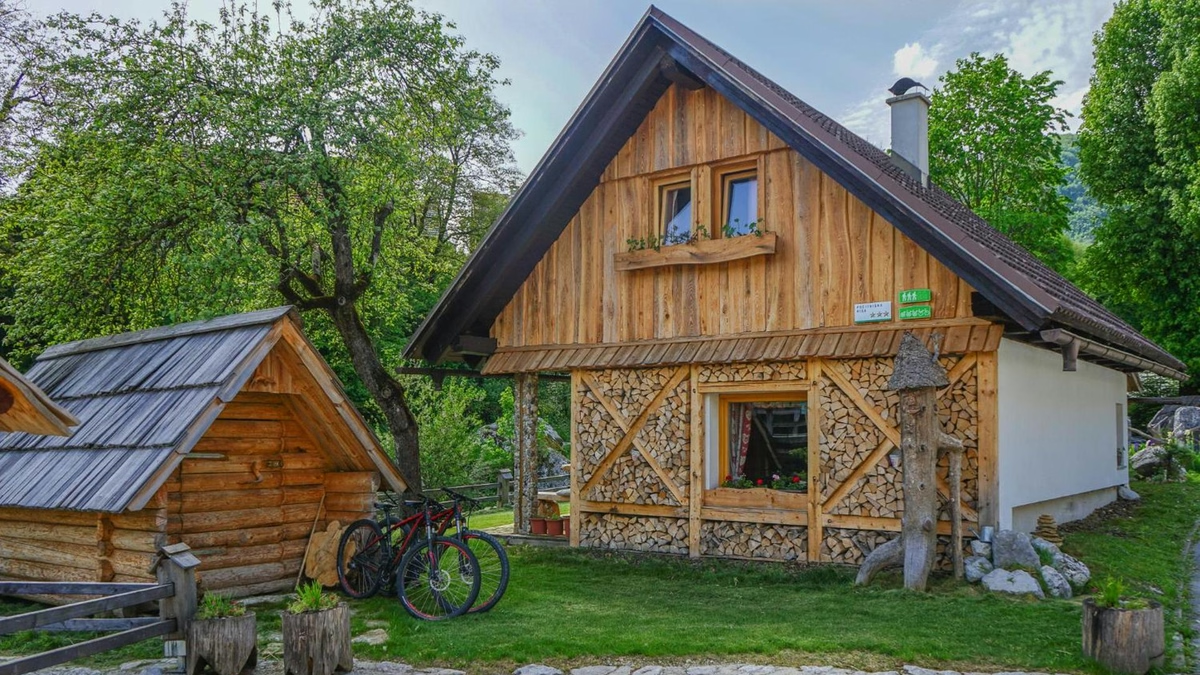
Bohinj lets you build a holiday around a lake and the Julian Alps rather than reduce the place to a photograph stop. Walking, cycling and returning to the same village for several days is a sensible way to explore it.
Ukanc, Stara Fužina, Ribčev Laz and the other valley bases have different relationships with the shore and trails. A timber house in a village may suit your plans better than a more remote cabin.
That distinction becomes decisive with mountain accommodation: a seasonal chalet with special access is not a house you can reach in any car. Near the lake, parking arrangements and organised transport also deserve a place in the plan.
When to go. Summer for the lake, cycling and trails; winter if your trip centres on snow. Seasonal mountain stays and transport services have their own operating calendars.
Our guide to seven cabins and chalets in Bohinj distinguishes village houses from mountain accommodation and explains their access requirements.
07Wānaka, New Zealand: a lakeside base for outdoor days
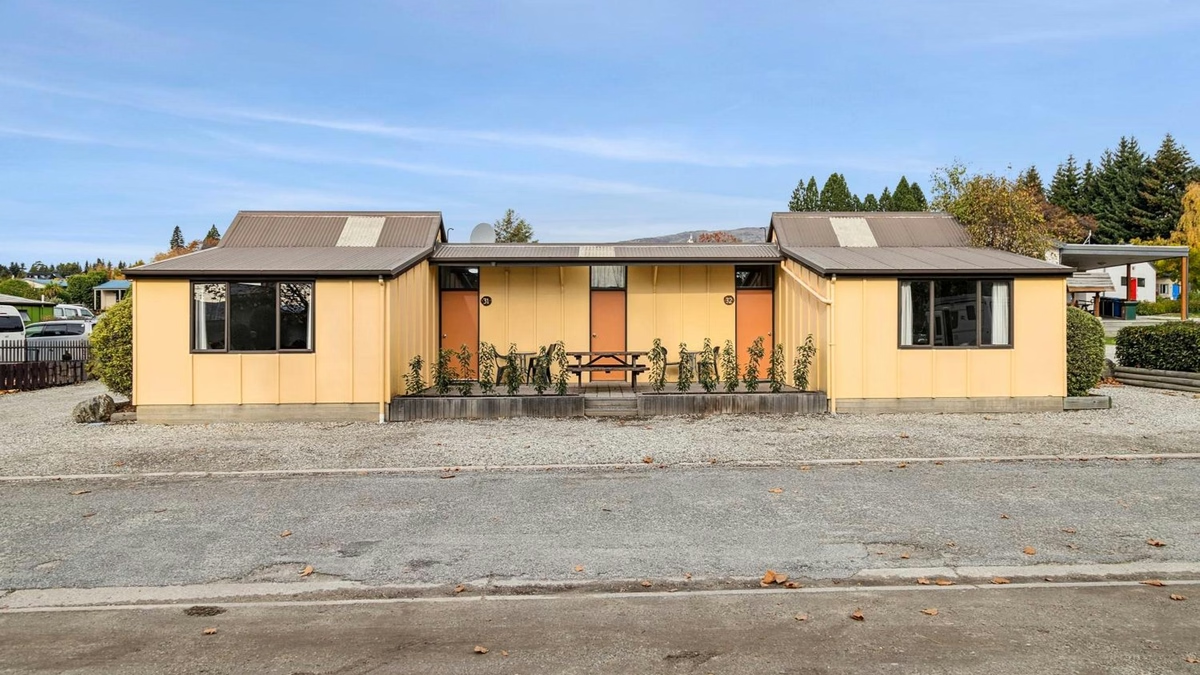
Wānaka suits travellers who want to spend most of the day outside and return to a useful, comfortable base. In summer, the lake and trails come first; in winter, plans turn towards the mountains and ski equipment.
The appeal lies partly in the range of stays: multi-bedroom cottages, chalets with kitchens and genuine holiday-park cabins. These are not simply expensive and cheap versions of the same thing, but different routines for cooking, bathing and sharing space.
The word cabin does not guarantee a private bathroom. Some categories share both kitchens and bathrooms; others, including the selected Maru cabin at Sundale, have a private kitchen but shared bathrooms. Getting that distinction right can shape the whole stay.
When to go. December to February for summer by the lake and outdoor activities; southern winter for skiing, with mountain transport planned separately.
The selection of seven cabins and chalets in Wānaka compares exact categories so that a family cottage is not confused with a studio or basic sleeping cabin.
08South Iceland: a cabin base instead of packing up every morning
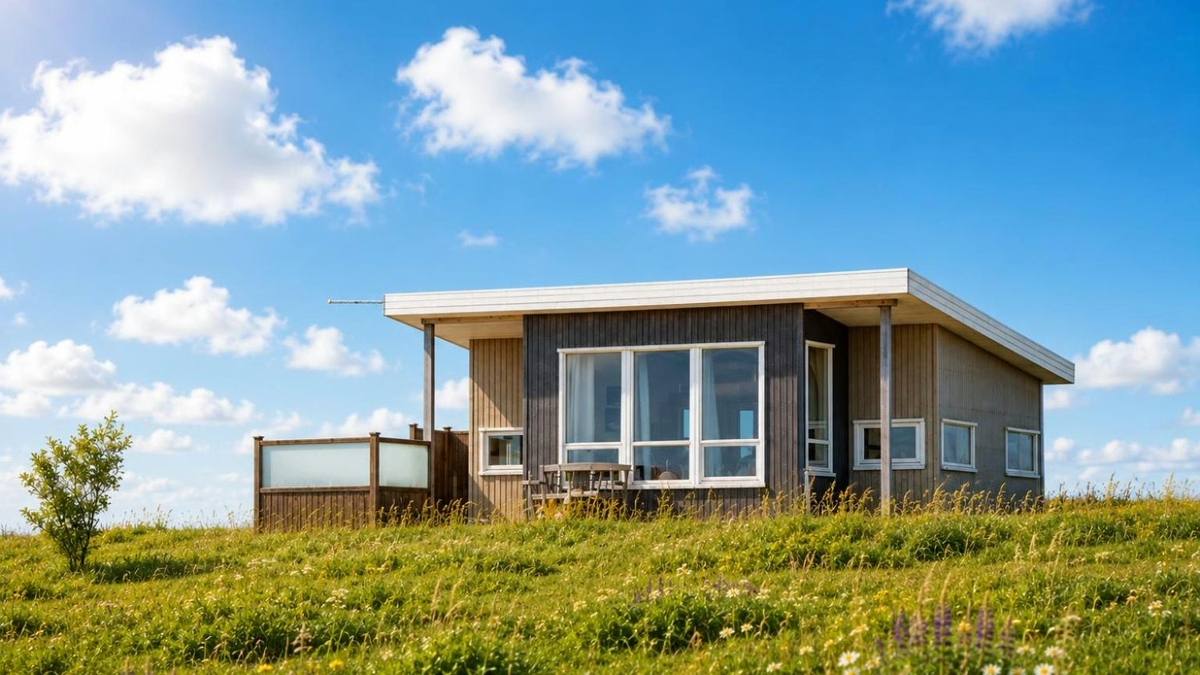
Waterfalls, black-sand beaches and volcanic landscapes make it tempting to keep moving along South Iceland. Several nights in a cabin offer another approach: explore one area at a slower pace and return to your own kitchen and living space.
Positioning the base is the important decision. Reykholt, around the Golden Circle, is not the same as staying farther east to explore the South Coast. Picking the most striking photograph without checking the map can mean too much driving every day.
What the house includes also varies. A hot tub belongs to a particular unit, not to the idea of an Icelandic cabin. The same applies to terrace privacy and the actual number of bedrooms.
When to go. Summer for more daylight; winter for a different landscape, with shorter days and extra flexibility for weather and road conditions.
Our guide to seven cabins in South Iceland locates each stay and explains layouts and facilities, helping you choose a base before fixing the itinerary.
09Hakuba, Japan: timber chalets and mountains beyond the ski season
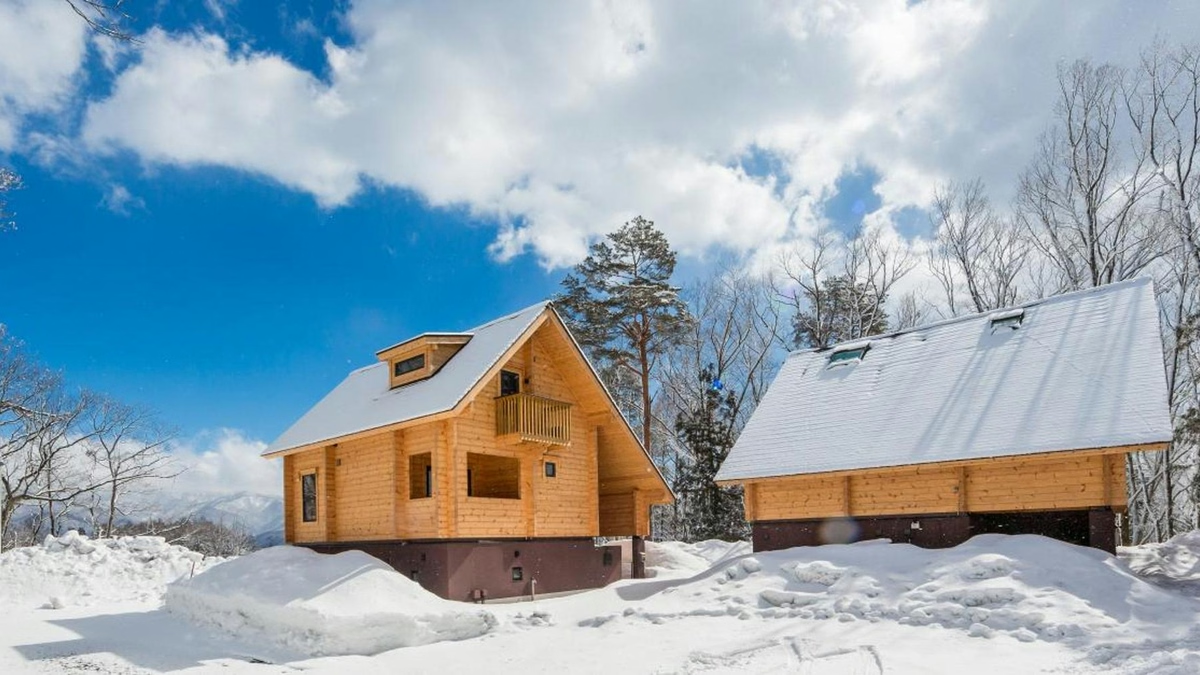
Hakuba is a strong choice if a cabin means somewhere to return after skiing. Log houses and chalets with kitchens make a group holiday possible without relying on a restaurant every evening.
Wadano, Echoland, Misorano and Kamishiro do not offer identical stays. Your preferred ski area, transport timetables and proximity to restaurants matter; a chalet address in Hakuba does not mean skiing out of the door.
Outside winter, the green season offers another reason to come: walking, cycling and the landscapes of Japan’s Northern Alps. If a Japanese bath is part of the attraction, distinguish a hinoki timber bath from one supplied by a natural hot spring.
When to go. Winter for snow and skiing; the green season, from spring to autumn, for mountain activities. Check the specific operating calendars of lifts, trails and transport.
The guide to seven cabins and chalets in Hakuba compares neighbourhoods, sleeping layouts and access, identifying semi-detached categories and amenities that should not be assumed.
10Adelboden and the Bernese Oberland, Switzerland: choose the valley before the chalet
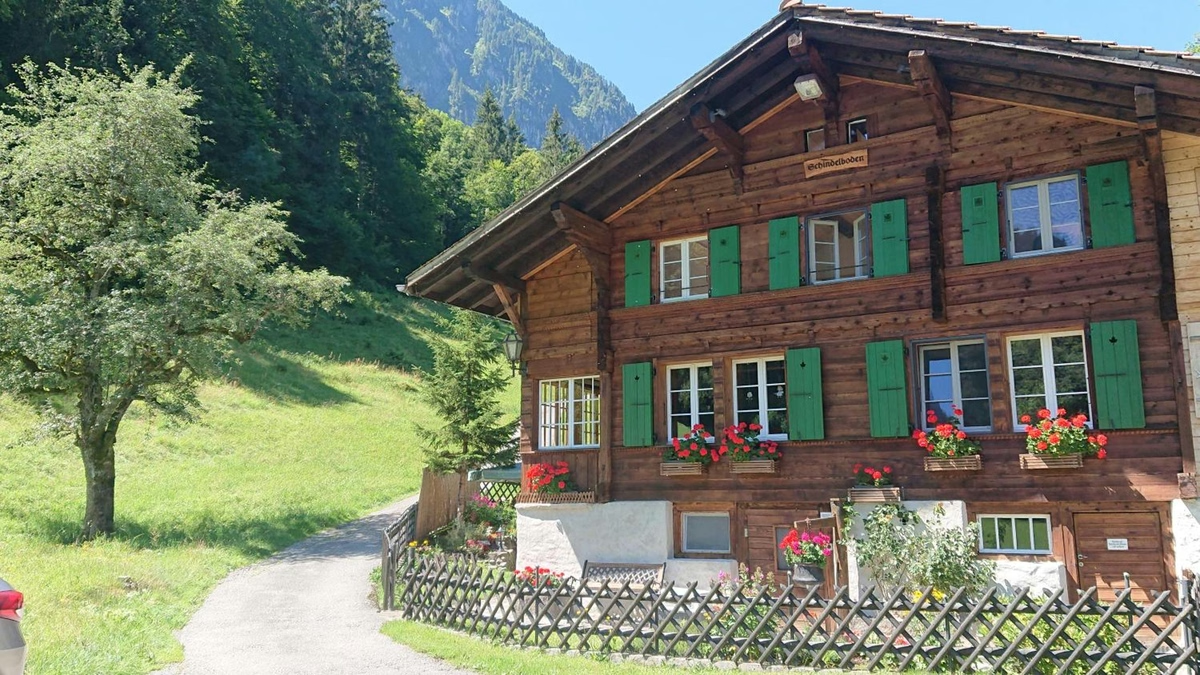
The Bernese Oberland brings together much of what makes an Alpine stay appealing: timber facades, balconies, meadows and villages among mountains. It is not one compact destination, though; each valley changes your excursions and travel time.
Adelboden makes sense when you want to spend your days there. Habkern, Brienz, Lauterbrunnen, Gsteigwiler and Grindelwald municipality are other bases, not neighbouring districts. Choosing by your intended routes is more useful than trying to see everything from one address.
The accommodation is equally varied: detached houses, semi-detached chalet units and small campsite cabins with shared facilities. A timber facade does not promise seclusion, and a hillside house may require a much more carefully prepared winter arrival.
When to go. Summer and autumn for walking and exploring the valleys; winter for snow-focused trips. The exact address and final approach matter particularly when choosing the season.
Our guide to seven cabins and chalets in Adelboden and the Bernese Oberland is explicitly regional: only one of the seven stays is in Adelboden, and every entry identifies its actual locality.
How to choose the destination that actually suits you
Start with Saimaa if you want time by the water without filling an itinerary. If you would rather have the sea shape the trip, compare Lofoten with Ucluelet and Tofino: an Arctic coast and the wet Pacific coast are far from interchangeable.
For a mountain stay, decide what you want to do first. Hakuba puts skiing centre stage in winter; Bohinj and the Bernese Oberland reward planning around villages and valleys. In Bariloche, Pucón and Wānaka, remember that southern-hemisphere seasons reverse the European calendar.
Then move from the map to the actual unit. Private kitchens, shared bathrooms, stairs and access in snow say more about your holiday than the word cabin. The ten linked guides let you make that second choice without starting the search from scratch.