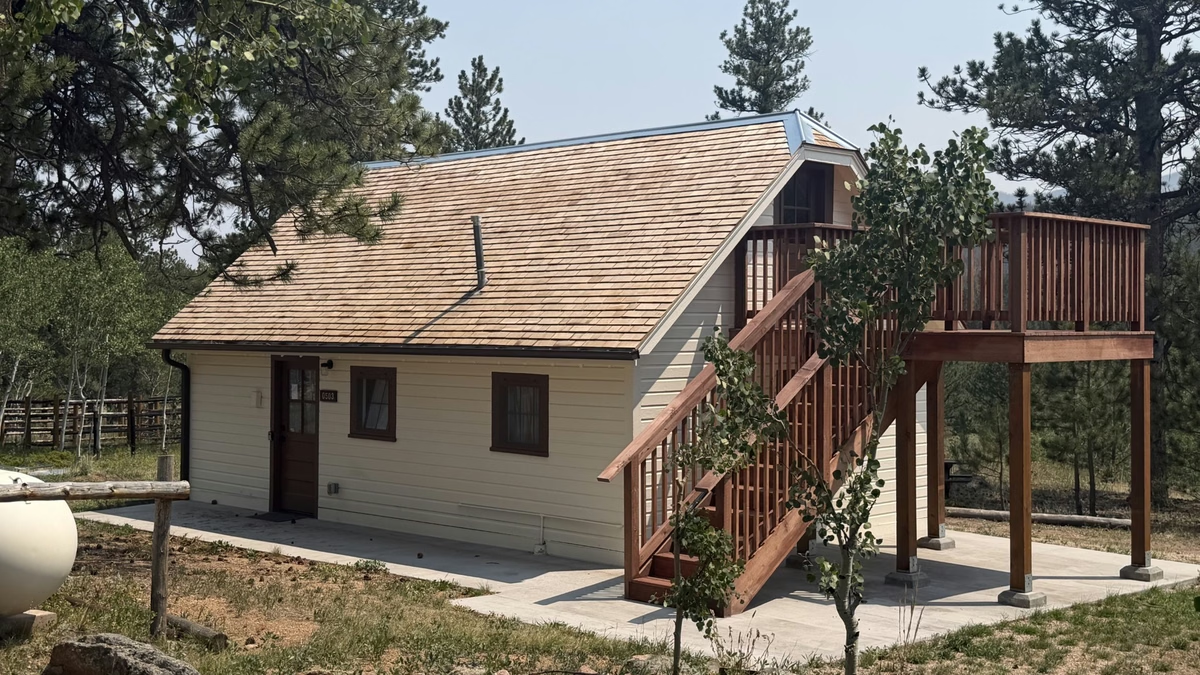
In Colorado’s Buckhorn Canyon, a former ranger station is finding a new purpose: its historic buildings can now welcome overnight visitors. The Forest Service says the restoration of Buckhorn Ranger Station has preserved a piece of its administrative history while giving the public a way to stay among the buildings.
The compound lies west of Masonville in Roosevelt National Forest. Its cabins are not newly built retreats: their story reaches back to the early years of federal forest management and the work programmes of the Great Depression.
From a ranger’s outpost to a historic compound
The first Buckhorn station was established in 1906. According to the Forest Service, that original log cabin served the district ranger until 1933; only its cellar remains.
Between 1933 and 1941, the Civilian Conservation Corps built the newer station and accompanying structures nearby. The Ranger Cabin dates to 1933. In 2022 the compound was listed on the National Register of Historic Places.
The station’s role changed over time. Volunteers continued to provide information there until 2010, when radon was discovered in the basements of several cabins. Vacant buildings subsequently suffered vandalism, and the surrounding area experienced the High Park Fire and flooding.
Restoration that keeps the old fabric
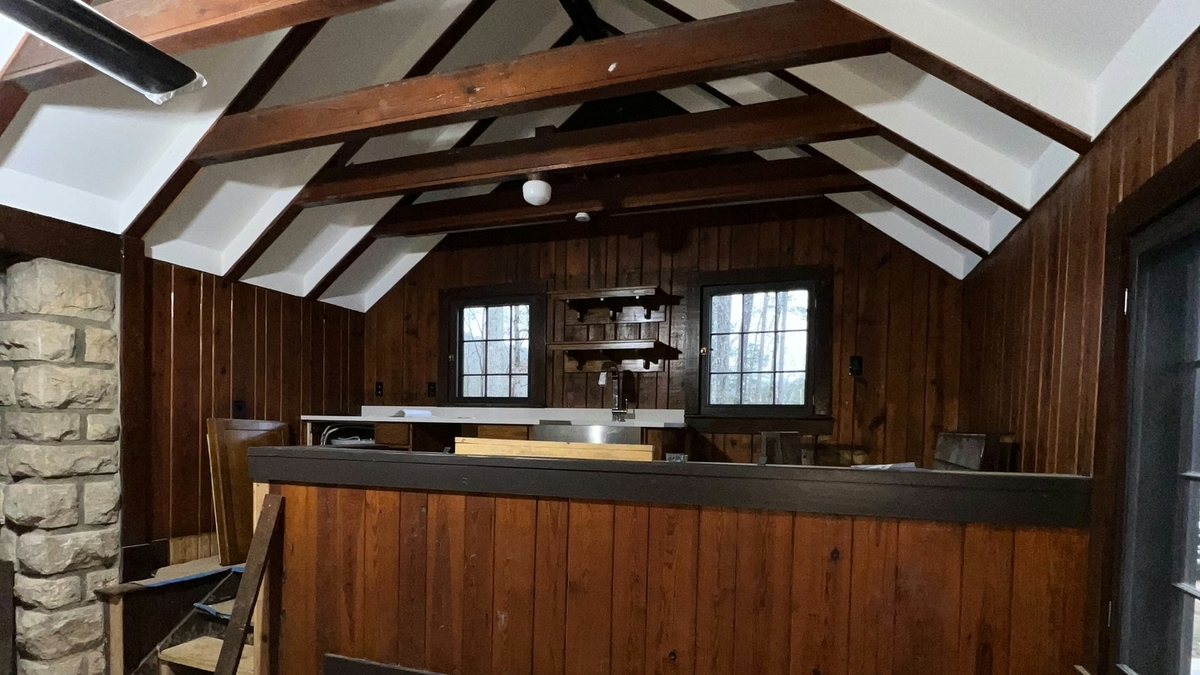
Forest Service staff and HistoriCorps volunteers have worked on the buildings, repairing deteriorated siding, restoring windows and doors and stabilising structural elements. The agency says the work favoured keeping and repairing historic materials rather than replacing them unnecessarily.
The idea of using cabins for recreation helped establish a future role for the compound alongside agency needs. In its account of the project, the Forest Service describes how the Great American Outdoors Act opened a funding route for deferred maintenance.
Preservation has continued in stages. HistoriCorps listed garage window, door and exterior wood repairs among its 2026 work, so the renewed use of the cabins should not be mistaken for the end of every project at the site.
What a stay at Buckhorn involves
Recreation.gov lists three cabins: the Ranger Cabin, Assistant Ranger Cabin and Bunkhouse. The two-bedroom Ranger Cabin sleeps up to six and has electricity, indoor plumbing, a kitchen and a woodstove. The Assistant Ranger Cabin has one bedroom, a kitchen and a bathroom with shower.
The listing describes the Bunkhouse as an efficiency cabin planned for wheelchair accessibility. Anyone who needs specific accessibility features should confirm the current arrangements before booking.
Visitors need to bring bedding, towels, toiletries and food. Cooking pots, dishes and utensils are supplied, according to the listing. There is no cellular service or public Wi-Fi at the site, and the nearest services are an hour or more away in Fort Collins or Loveland.
Pets are not allowed at the cabins, and extra on-site camping is prohibited. The area is black bear country, so visitors should follow the listed waste-disposal instructions. Check current availability, cabin details and conditions before travelling; a listing is not a guarantee of open dates.
The transformation is as practical as it is historical: buildings once used for managing the forest have another way to remain in use, while their earlier purpose remains legible in the restored compound.
Photo: USDA Forest Service.