A small wooden station deep in the Alaskan forest has been repaired to support the rangers who work along the historic Chilkoot Trail. The National Park Service announced the completion of the Sheep Camp Ranger Station rehabilitation on March 30, 2026.
The eight-week project also included the adjacent tool shed. The station houses trail rangers; it is not a cabin available for visitors to book.
A working base on the Chilkoot Trail
Built in 1981, the station stands at mile 11 of the Chilkoot Trail, within Klondike Gold Rush National Historical Park. The park service describes it as the primary backcountry housing and operations center for rangers supporting trail visitors.
The building is about a quarter mile from Sheep Camp Campground, the last campground on the trail’s United States side. Rangers based there give safety briefings, explain the route’s history and respond to emergencies.
Those roles make the station more than a place to sleep: it is a working base for the staff who help people navigate a remote route. The nearby campground and the ranger station serve different purposes, and the restoration announcement does not describe new visitor lodging.
What the rehabilitation changed
The project concentrated on practical repairs. Crews installed siding and screens, repaired and repainted windows, replaced the front porch decking and screen door, and cleaned and restored the roofs of both buildings.
According to the park service, the station had received minimal maintenance since it was built. Acting superintendent Carrie Wittmer said the repairs made it safer and more functional for trail rangers.
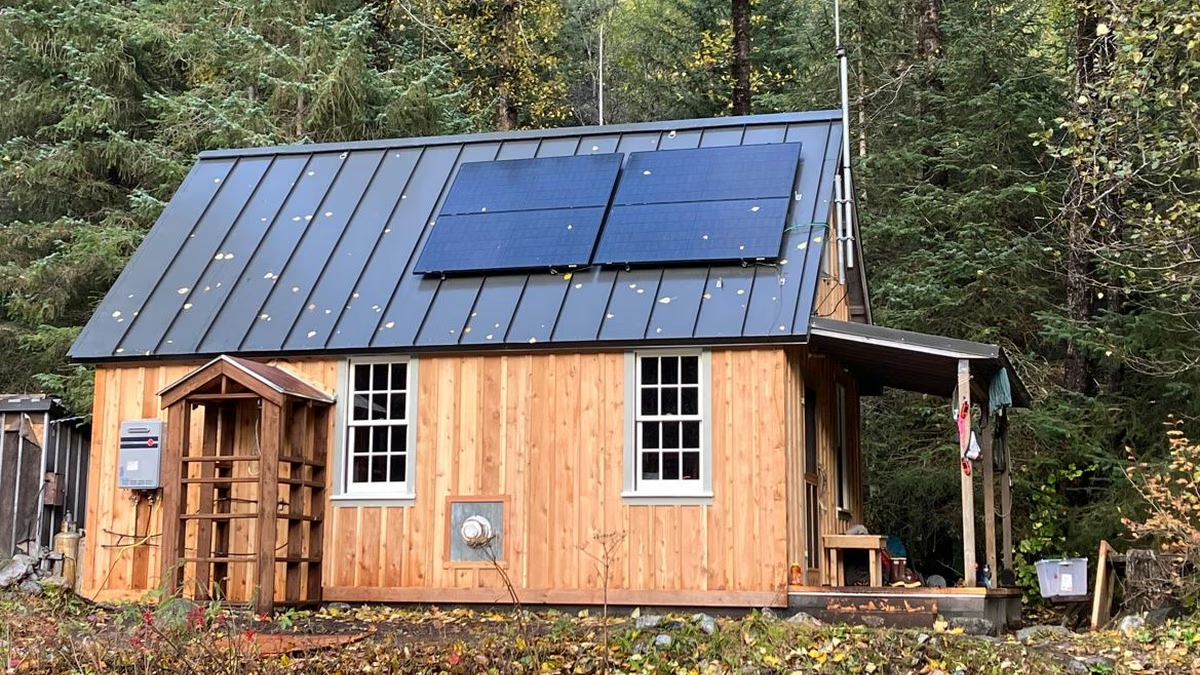
The image above shows the west side of the station after the work. Its forest setting is part of the location; the improvements described by the park service focus on the buildings themselves.
Funding and the people behind the work
The park service said the work received approximately $400,000 from the Great American Outdoors Act Legacy Restoration Fund, which supports deferred maintenance projects.
Park staff worked alongside a fund-supported Maintenance Action Team. The group included craftspeople from the Historic Preservation Training Center and an intern from the Traditional Trades Advancement Program.
The collaboration brought building trades and park operations together on a modest but important backcountry facility. For hikers, the immediate distinction is simple: the project supports the ranger services already based on the trail rather than adding a new accommodation option.
Photo: National Park Service.