The wooden cabins at Catoctin Mountain Park in Maryland are part of a Depression-era experiment in public recreation. Keeping buildings like these standing calls for a less visible kind of work: finding treatments that protect old wood without losing its historic character.
The National Park Service has recognized maintenance mechanic Michael Kertiss in its 2026 Director’s Awards for Natural and Cultural Resources. The agency credits him with researching, testing and introducing historically appropriate wood treatments for the park’s historic log cabins.
His work established park-wide standards using linseed-oil-based finishes for nearly 60 Works Progress Administration-era buildings, according to the agency. The award recognizes cultural resource stewardship by a facility maintenance specialist.
Why the finish matters
A wooden building’s exterior is both a protective surface and part of its appearance. At a historic site, maintenance has to take both into account: a treatment is not just a cosmetic choice when the material and the way it looks contribute to the place’s history.
The park service says Kertiss’s research and collaboration improved the long-term preservation and appearance of the buildings and helped establish practical maintenance standards. It also says the work inspired similar preservation at other National Park Service sites.
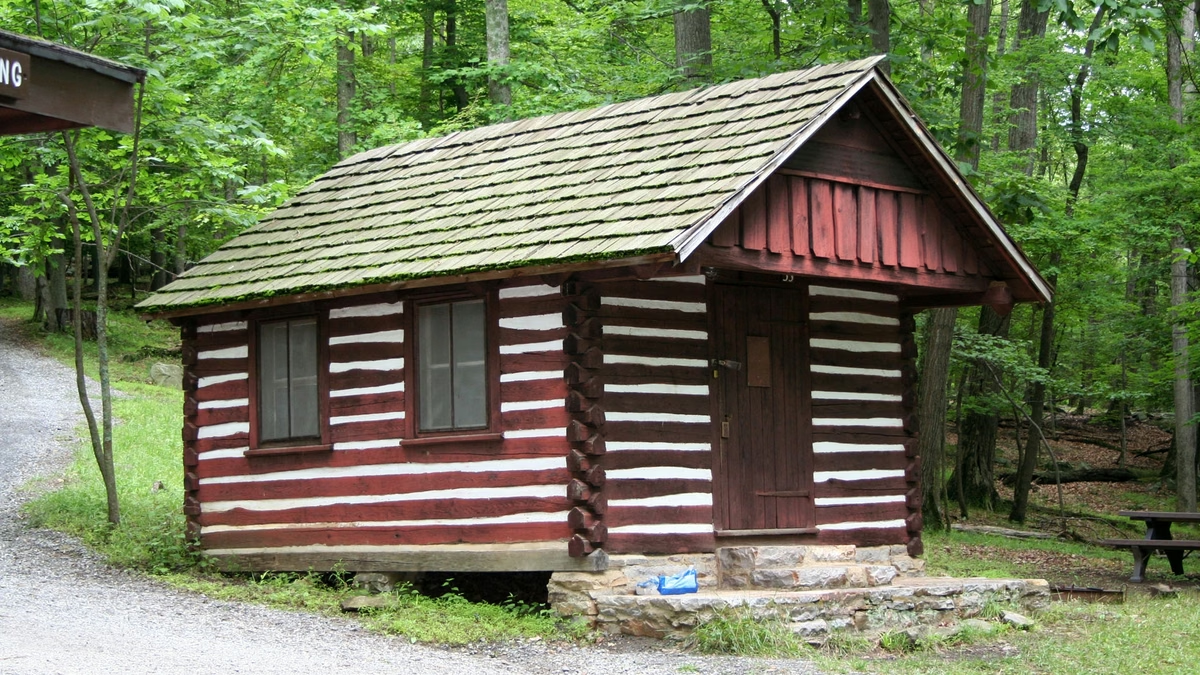
The award announcement does not specify the individual buildings treated or give a recipe for the finish. The photograph here shows a cabin at Camp Misty Mount as an example of Catoctin’s cabin heritage, not a documented example of the treatment.
Cabins built from local materials
Camp Misty Mount was the first cabin camp developed within the Catoctin Recreational Demonstration Area. Completed by the Works Progress Administration in spring 1937, it was intended to bring people from Baltimore and Washington, DC, into a mountain setting.
The park describes American chestnut and local stone as important building materials. Many chestnut trees had already fallen because of blight, it says, making additional cutting of live trees largely unnecessary. The wood’s slow decay helped the camp structures endure.
Local stone was used for foundations, walls, steps, chimneys and fireplaces. Those details connect the cabins to the landscape and to the New Deal-era effort that created the camp.
From New Deal camp to overnight stays
Misty Mount opened to its first campers in July 1937. After the Maryland League for Crippled Children moved to Camp Greentop the following year, the Salvation Army leased Misty Mount for several seasons.
The camp was winterized in 1942 for military use during the Second World War. Marines stayed there between 1942 and 1945 while protecting the presidential retreat elsewhere in the park. Later users included school groups and Scouts.
Listed on the National Register of Historic Places since 1989, Misty Mount remains a place where visitors can stay in historic cabins. The park groups its cabin campgrounds by the size and type of group they accommodate; travellers should check current reservation information and individual cabin details before making plans.
The distinction matters: the preservation award concerns work across the park’s historic buildings, while the camp’s visitor information describes today’s lodging. Neither establishes that a particular cabin is available on a given date.
Photo: National Park Service. Cabin 35 at Camp Misty Mount, photographed in 2010.