A new volunteer alliance is bringing a more coordinated approach to the historic cabins and other buildings scattered across Isle Royale National Park in Lake Superior. The initiative joins park staff with volunteers and the National Parks of Lake Superior Foundation, which is coordinating the work.
The foundation says the effort covers a heritage portfolio of approximately 90 cabins, 19 fishery buildings and four lighthouses. Those figures describe the buildings the alliance aims to help protect, not a list of completed restorations.
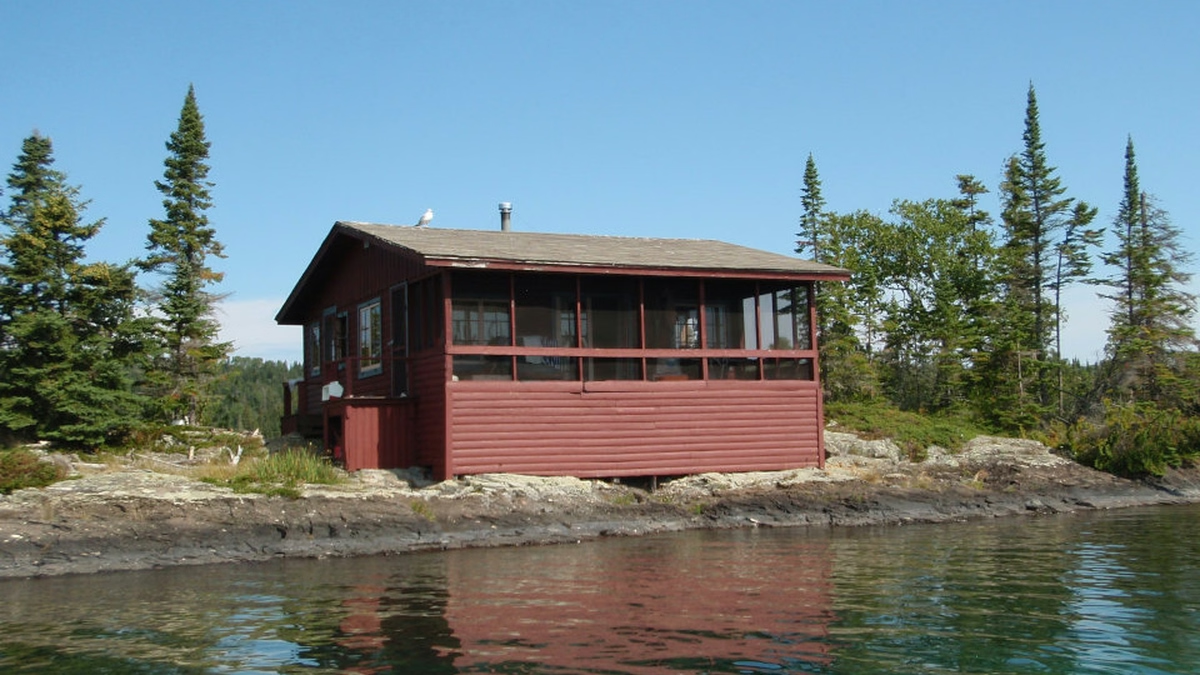
The photograph above shows How Cottage on How Island in 2010, an example of the park’s historic cottage landscape. It should not be read as confirmation that this particular building is an active alliance project.
What the alliance will do
Isle Royale has relied on preservation volunteers for decades. The new partnership builds on that work with a shared framework for planning, funding and setting priorities, according to the foundation.
The alliance plans to involve long-term volunteers, including descendants of island families, and create opportunities for other volunteers, technical experts, students and supporters. Retired business executive and preservation advocate Jan Reyers will serve as its volunteer director.
For the 2026 field season, the foundation identified three immediate tasks: removing debris and unused items from camp and cabin sites, completing structural fire checklists, and carrying out annual condition assessments at historic sites.
These are practical steps rather than a promise that every building will be renovated at once. An assessment can help establish what needs attention; it is not itself evidence that a repair has been completed.
Cottages in a wilderness park
Isle Royale’s buildings sit within a much longer human history. The foundation notes that North Shore Ojibwe have used the island for thousands of years for seasonal activities including hunting, gathering, spiritual connection and copper mining.
Commercial fisheries, summer residents and other communities later added buildings of their own. The National Park Service describes how vacationers bought small tracts for cottages, particularly on islands in places such as Tobin Harbor.
As the federal government acquired private holdings for the park, some cottage owners accepted life leases in exchange for reduced sale prices. Families maintained the properties during their occupancy, an arrangement the park service says helped account for the survival of some camps and cottages.
The park has also used one-year volunteer agreements for specific preservation projects and for documenting family histories. They are not permanent occupancy arrangements or extensions of leases, according to the agency.
What How Cottage illustrates
How Cottage stands on a small island in Tobin Harbor. The park service records that the property was taken in condemnation in 1939 and a lease issued; the last use agreement expired after Gail How Place’s death in 2005.
Its story illustrates the complicated relationship between private summer homes, family ties and a national park. The 2010 photograph is historical documentation, not a current condition report or an invitation to stay.
For the wider collection of buildings, the alliance’s stated aim is to help volunteers and park staff work from a coordinated set of priorities. Individual projects and their outcomes will need to be reported as they are confirmed.
Photo: Dan Jackson / National Park Service. No protection is claimed in original U.S. Government works.